


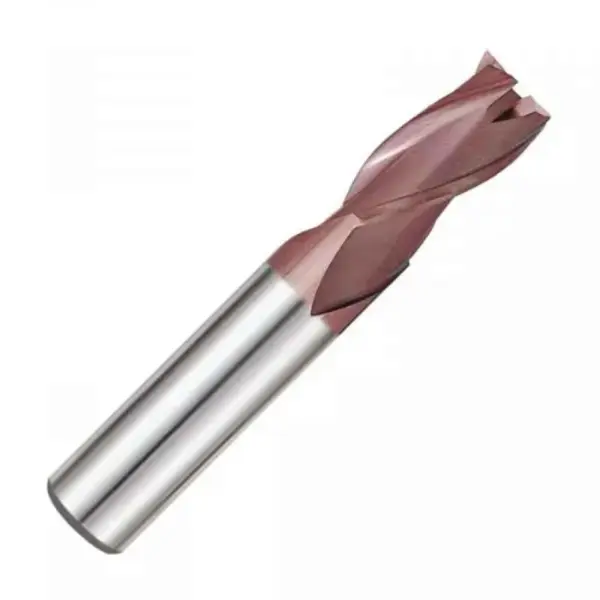

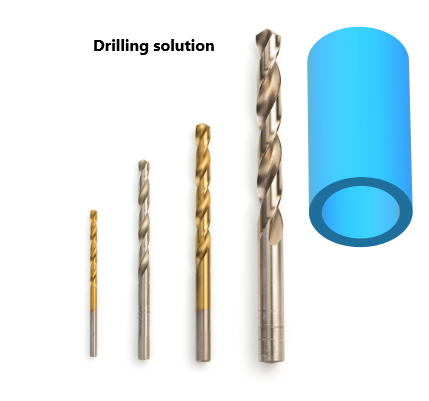


Drilling is a basic process used across all industries like, construction, and massive industrial operations. At its simplest, it involves using a rotating cutting tool (a bit) to create a cylindrical hole in a solid material.
Here is a breakdown of the essentials:
1. Common Types of Drills
-
Driver Drill: The standard cordless tool for boring holes and driving screws.
-
Hammer Drill: Adds a pulsing, “hammering” action to the rotation, specifically designed for masonry (brick, stone, concrete).
-
Impact Driver: Uses high torque and concussive force to drive large screws into tough wood, though it’s less precise for drilling clean holes.
-
Drill Press: A stationary machine used in workshops for maximum precision and depth control.
2. Matching the Bit to the Material
Using the wrong bit can ruin your material or overheat the tool. | Material | Recommended Bit Type | | :— | :— | | Wood | Brad Point (has a sharp center tip) or Spade bits (for large holes). | | Metal | HSS (High-Speed Steel) or Cobalt bits for harder alloys. | | Masonry | Tungsten Carbide-tipped bits. | | Tile/Glass | Diamond-tipped or spear-point bits. |
3. Core Techniques for Success
-
The Pilot Hole: When drilling into hard wood or metal, start with a very small bit first. This prevents the larger bit from “walking” (slipping) and keeps the wood from splitting.
-
Speed Control: A general rule of thumb is: Small bit = High speed; Large bit = Low speed. For metal, always use a slower speed to prevent the friction from melting the bit’s edge.
-
Clear the Chips: Periodically pull the bit out slightly while the drill is running to eject the sawdust or metal shavings. This prevents the bit from binding or overheating.
-
Stability: Always clamp your workpiece. If the bit catches, you want the tool to stall, not the material to spin.
4. Safety Basics
-
Eye Protection: This is non-negotiable; high-speed chips can fly in any direction.
-
No Gloves (with stationary drills): While it sounds counterintuitive, never wear loose gloves around a drill press, as they can get caught in the rotating spindle and pull your hand in.








Reviews
Clear filtersThere are no reviews yet.